WhatsApp CRM Pricing in India: Software + Meta Fees (2026)
Break down WhatsApp CRM price quotes: platform subscription, Meta conversation billing, hidden integration costs, and how Samyoj’s ₹899 and ₹1,499 plans map to real workflows.
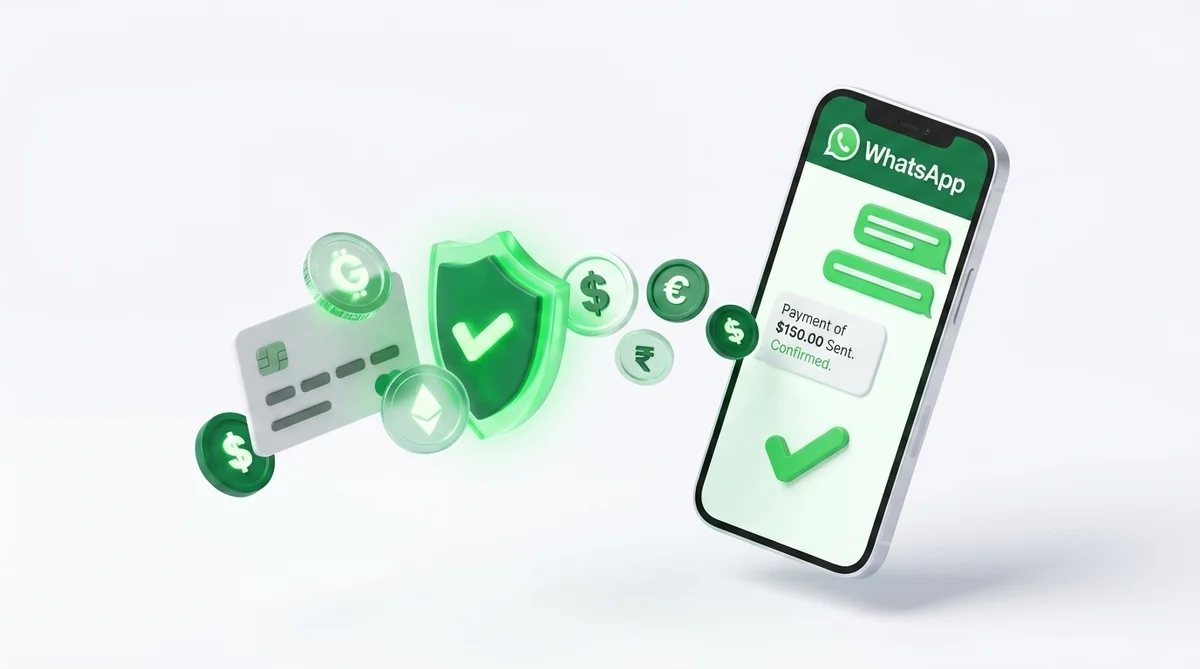
Every line item on a quote
When an Indian buyer searches “whatsapp crm price,” they usually want one number. Honest pricing is always a stack:
- Inbox / CRM software (per month, per seat or per workspace).
- WhatsApp Platform fees paid to Meta per conversation rules.
- One-time setup (number migration, template creation, training)—sometimes ₹0 if self-serve.
- Optional ads (Click-to-WhatsApp is Meta Ads spend, not CRM software).
Any vendor quoting “all inclusive ₹___” without separating Meta pass-through fees should be asked to show Meta’s invoice path.
How Meta conversation pricing works
Meta prices WhatsApp Business Platform messages using conversation categories (marketing, utility, authentication, service) defined in official documentation. Rates depend on country and category; India has its own row in the rate tables. Service conversations opened by a user message within the customer service window follow different rules than outbound marketing templates.
Samyoj states direct Meta billing for message charges with no markup on published Meta rates—your finance team should still reconcile Meta Business Manager invoices monthly.
Comparing vendor models fairly
India’s market includes BSPs, tech providers, and resellers. Ask the same four questions everywhere:
- Are you on Cloud API (Meta-hosted) or legacy on-prem?
- Who signs Meta’s terms—the customer or the vendor?
- Are template sends metered separately from inbox seats?
- What happens to your number if you leave—Meta’s number portability rules apply.
Our provider comparison article is updated for positioning; use it for criteria, not as a promise of rank in Google.
Samyoj plans in plain language
From the public pricing page (verify before sales calls):
- Launch trial — ₹0 for 14 days with limits on teammates and contacts.
- WhatsApp — ₹899/month: one number, five team members, inbox, CRM, broadcasts, automation; 200 AI credits/month on paid plans.
- Multi-channel — ₹1,499/month: adds Instagram and Facebook Messenger.
- Quarterly (−5%) and annual (−20%) billing discounts apply to listed monthly prices.
Do not quote deprecated Starter/Growth/Pro tiers—they are not on the current pricing page.
A simple budget template
For leadership approval, model three months:
Software = plan price × months
Meta = (expected marketing conv × Meta India marketing rate)
      + (expected utility conv × utility rate)
      + (expected service conv × service rate)
People = hours/week × internal hourly cost
Pull conversation counts from a quiet test week before scaling broadcasts. For Meta’s published tables, use the link in Meta’s pricing doc—not a screenshot in a random blog.
Related reading: Meta WhatsApp API pricing guide.
How to explain pricing to your founder in five minutes
Line 1 — Software: Samyoj WhatsApp ₹899/month or Multi-channel ₹1,499/month (5 teammates, 200 AI credits on paid plans).
Line 2 — Meta: conversation fees per category (marketing, utility, service, authentication). Pull India rows from Meta’s pricing doc before you quote a campaign.
Line 3 — People: who writes templates, who cleans the contact list, who replies after ads?
Line 4 — Ads: Click-to-WhatsApp spend is separate—it lives in Meta Ads Manager.
Line 5 — Trial: 14-day Launch trial to validate inbox + one template before annual billing.
Sample monthly math (replace with your real Meta rates)
Imagine 2,000 utility conversations and 400 marketing conversations in a month. Software stays flat at ₹899. Meta cost = (2,000 × utility rate) + (400 × marketing rate). Your spreadsheet should update when Meta changes tables—not when a blog post from 2024 says a flat ₹0.80.
Read the full rate context in our Meta WhatsApp API pricing guide.
Think like a marketing lead, not a software shopper
Most teams search whatsapp crm price india when WhatsApp already drives revenue—but ops is messy. Your buyer is usually founders approving a monthly budget. They do not want another login; they want fewer missed chats and a number that still works after Diwali campaigns.
Success in 30 days is simple to say and hard to do: every inbound message has an owner within business hours, promotional sends use an approved template, and you can report software + Meta fees on one sheet without opening five apps.
Monday to Friday rhythm
Monday: review weekend chats; assign overdue threads.
Tuesday: template performance—any spikes in blocks?
Wednesday: ad → WhatsApp handoff audit if you run Click-to-WhatsApp.
Thursday: train one new macro reply; retire one spammy broadcast.
Friday: leadership snapshot—chats opened, qualified, closed (definitions unchanged week to week).
Words that confuse buyers (use carefully)
- BSP vs Tech Provider—verify on Meta’s partner directory; Samyoj is a Tech Provider today.
- Coexistence—keep Business App + API; eligibility is Meta’s call.
- Quality rating—not the same as star reviews; it affects sending limits.
When you are ready, start the 14-day Launch trial and keep this page open as your operating manual—not a one-time read.
Negotiation myths
Myth: “Unlimited messages included.” Reality: Meta conversations are almost always separate.
Myth: “One flat BSP fee covers everything.” Reality: ask for a split invoice.
Myth: “Annual prepay always saves 40%.” Reality: Samyoj lists 20% annual on public pricing—verify live.
Extra questions teams ask in week one
How long does WhatsApp API onboarding take?
Meta and your provider control the clock. A clean Standard signup can finish in a day; display-name or portfolio issues can add a week. Coexistence depends on Meta eligibility—not a promise from any vendor.
Do I lose my WhatsApp Business App chats?
On Standard Cloud API registration, the same number usually leaves the mobile app. On Coexistence, the app can stay—read Meta’s current coexistence docs before you promise staff anything.
What is the first template I should submit?
A utility template tied to a real process you already run—order update, appointment confirmation, or payment receipt. Marketing templates should wait until utility is approved and quality rating is stable.
How does Samyoj pricing work with Meta?
Public plans: Launch trial, WhatsApp ₹899/month, Multi-channel ₹1,499/month, five teammates, 200 AI credits/month on paid plans. Meta conversation charges bill at actuals without Samyoj markup on published Meta rates—confirm on pricing.
Can I run Click-to-WhatsApp ads on day one?
Only if the number is active, billing works, agents reply fast, and you can track leads in one inbox. Slow replies waste ad spend more than slow SEO.
What is a Meta Tech Provider?
A partner track for software on WhatsApp Cloud API. Samyoj uses this wording today. BSP is a different track—verify in Meta’s directory before sales collateral says “official BSP.”
How do I collect opt-in for broadcasts?
Checkbox at checkout, keyword opt-in, or signed form at events—document the wording. Never buy phone lists.
What happens at the 250-recipient limit?
Many new portfolios start around 250 unique recipients per rolling 24 hours. Plan campaigns accordingly; scaling requires Meta’s quality and verification path.
Should I connect Instagram on day one?
Only if someone will answer Instagram daily. Otherwise master WhatsApp on the ₹899 plan first.
Where do I get official policy updates?
Meta WhatsApp documentation and WhatsApp Business Terms—blogs summarize; Meta decides.
Primary sources: Meta WhatsApp Business Platform documentation, Meta WhatsApp pricing, WhatsApp Business Terms, Samyoj pricing. Figures change—verify on Meta before you budget or publish customer promises.